NEED TRAVERTINE? CONTACT US trawertyne@gmail.com

What is the disadvantage of travertine?
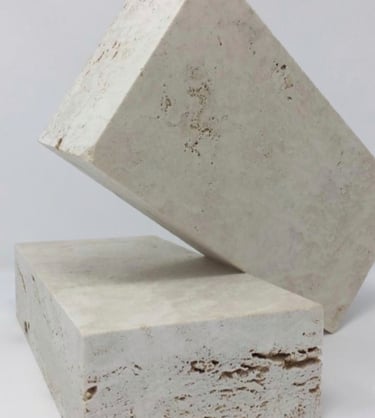
The main disadvantage of travertine is its porosity, which makes it prone to stains and water damage if not properly sealed. It is also softer than other natural stones like granite or marble, making it more susceptible to scratches, chips, and wear in high-traffic areas. Additionally, it requires regular maintenance, including cleaning and resealing, to keep its appearance and durability over time.
4/9/20263 min read
What is the disadvantage of travertine?
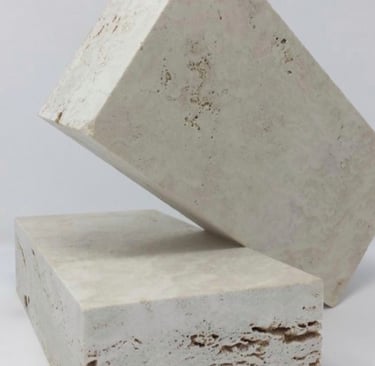
The main disadvantage of travertine lies in its natural porosity and softness. Its surface contains tiny holes and cavities, which can easily absorb liquids, leading to stains if spills are not cleaned promptly. Because it is softer than stones like granite or quartzite, travertine is also more prone to scratches, chips, and wear, especially in high-traffic areas or places with heavy furniture. Additionally, it requires regular maintenance, including sealing every 1–2 years, to preserve its appearance and prevent water or chemical damage. While its warm, natural beauty makes it highly desirable, these factors mean travertine may not be ideal for every application, particularly in kitchens, bathrooms, or outdoor areas without proper care.
How to Prevent Stains on Travertine
To prevent stains on travertine, regular sealing is essential. Applying a high-quality stone sealer every 1–2 years creates a protective barrier that reduces absorption of liquids and spills. It’s also important to clean up spills immediately, especially acidic substances like wine, citrus juice, or vinegar, which can etch the stone. Use a pH-neutral cleaner rather than harsh or abrasive products to avoid damage. For high-traffic areas, placing rugs or mats can help protect the surface, while coasters and trays in kitchens and bathrooms add an extra layer of defense. Regular maintenance combined with preventive measures keeps travertine looking pristine for years.
Common Wear and Tear Issues with Travertine
Travertine, while beautiful and durable, is prone to certain wear and tear issues due to its natural softness and porous structure. Over time, high-traffic areas may develop scratches, dents, or surface erosion, especially from heavy furniture or sharp objects. Its porous nature also makes it susceptible to staining from spills, dirt, or oils if not properly sealed. Outdoor travertine can experience weathering, including discoloration or surface roughening, from exposure to sun, rain, and temperature changes. Regular sealing, gentle cleaning, and protective measures like rugs or pads can help minimize these common issues and extend the stone’s lifespan.
When Travertine Might Not Be the Best Choice
Travertine might not be the best choice in areas that experience heavy wear or frequent exposure to water and stains without proper maintenance. Its soft, porous nature makes it more prone to scratches, chips, and discoloration compared to harder stones like granite. In kitchens, bathrooms, or outdoor spaces with constant moisture, travertine requires regular sealing and careful cleaning to prevent damage. It may also be less suitable for households with pets or high foot traffic, where durability and low maintenance are priorities. In such cases, a denser, more resilient stone could be a better long-term option.
Sealing and Protecting Travertine
Sealing and protecting travertine is essential to maintain its beauty and durability. Because travertine is naturally porous, applying a high-quality stone sealer fills its tiny holes and creates a barrier against water, stains, and dirt. It’s recommended to seal new travertine installations and reapply the sealer every 1–2 years, depending on the level of use and exposure. In addition to sealing, using coasters, trays, and rugs in high-traffic or spill-prone areas helps protect the surface. Proper sealing not only prevents staining but also makes cleaning easier and preserves the stone’s natural color and texture over time.
Cleaning Tips for Travertine Surfaces
Cleaning travertine surfaces requires gentle care to preserve their natural beauty. Always use a pH-neutral cleaner specifically designed for natural stone, as acidic or abrasive products can etch or damage the surface. Wipe up spills immediately to prevent stains, especially liquids like wine, coffee, or citrus juices. For daily maintenance, a soft mop, cloth, or sponge is ideal, while vacuuming or sweeping helps remove grit that can scratch the stone. Avoid harsh scrubbing pads or steel wool, and rinse surfaces thoroughly after cleaning to remove any residue. Regular, careful cleaning keeps travertine looking fresh and extends the life of its sealant.
Comparing Durability: Travertine vs Other Stones
When comparing durability, travertine is softer and more porous than many other natural stones like granite or quartzite. This means it is more prone to scratches, chips, and stains, especially in high-traffic areas or spaces exposed to moisture. However, its relative softness also makes it easier to cut, shape, and install, providing more flexibility in design. Stones like granite or marble are denser and more resistant to wear, making them better suited for countertops or heavy-use surfaces. With proper sealing and maintenance, travertine can still be long-lasting, but it requires more care to preserve its appearance compared to harder stones.
Travertine Slabs & Tiles - Natural Stone Quarry
Discover exquisite travertine slabs, tiles, block today from our quarry.
CONTACT
© 2026. All rights reserved.
Phone / whatsapp:
e-mail: