NEED TRAVERTINE? CONTACT US trawertyne@gmail.com

What is special about travertine?
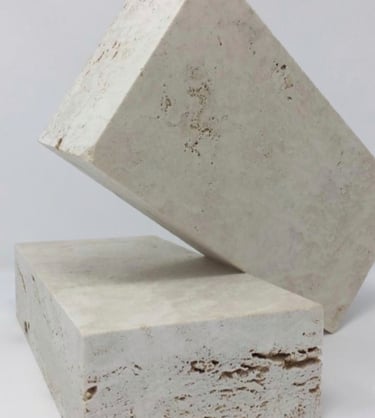
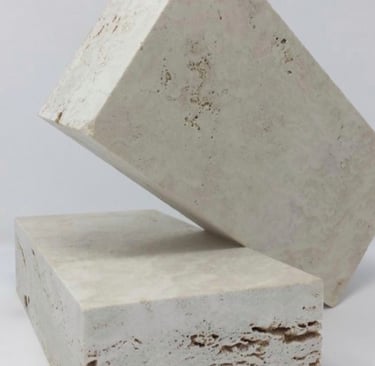
What is special about travertine? Travertine is special because it’s a natural limestone with unique porous texture and warm, timeless appearance, often formed by mineral springs.
4/9/20262 min read
What is speacial about travertine?
Travertine stands out because it forms naturally around mineral springs, which gives it a distinctive, slightly porous surface with small holes and patterns. Its warm, earthy tones make it popular in architecture and design, especially for floors, walls, and terraces. It has been used since ancient times, valued for both its durability and elegant, classic look.
How is travertine formed?
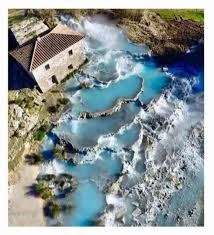
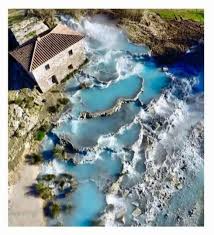
Travertine forms naturally when mineral-rich water from hot springs or limestone caves deposits calcium carbonate. As the water evaporates, it leaves behind layers of stone that gradually build up over time. Small air bubbles and organic materials create the characteristic holes and porous texture that make travertine unique.
What are the key characteristics of travertine?
Travertine is known for its natural, porous surface with small holes and unique patterns formed during its creation. It typically comes in warm, earthy tones like beige, cream, and light brown, which give it a timeless and elegant look. The stone is relatively durable and easy to cut, making it popular for both indoor and outdoor use, although it often requires sealing to protect it from stains and moisture.
Where is travertine commonly used?
Travertine is commonly used in both interior and exterior design. Indoors, it is popular for flooring, wall cladding, bathrooms, and kitchen surfaces. Outdoors, it is often used for patios, garden paths, pool surrounds, and building facades thanks to its natural slip resistance and durability.
Is travertine durable and easy to maintain?
Travertine is a durable natural stone that can last for many years when properly cared for. However, because of its porous structure, it requires regular sealing to protect it from stains and moisture. With routine cleaning and occasional maintenance, it remains a practical and long-lasting choice for both indoor and outdoor spaces.
What are the different finishes of travertine?
Travertine comes in several finishes, each offering a different look and texture. A polished finish is smooth and shiny, giving the stone a more elegant and refined appearance. A honed finish is matte and smooth, creating a softer, more natural look. Tumbled travertine has a rough, aged texture with rounded edges, often used for rustic designs. There is also a brushed finish, which provides a slightly textured surface that enhances the stone’s natural character.
How does travertine compare to other natural stones?
Travertine differs from other natural stones mainly in its porous texture and softer composition. Compared to granite, it is less hard but easier to cut and shape, making it more versatile in design. Unlike marble, it has a more rustic, matte appearance rather than a high-gloss finish. It also tends to be more slip-resistant than many polished stones, which makes it a popular choice for outdoor areas.
Travertine Slabs & Tiles - Natural Stone Quarry
Discover exquisite travertine slabs, tiles, block today from our quarry.
CONTACT
© 2026. All rights reserved.
Phone / whatsapp:
e-mail: