NEED TRAVERTINE? CONTACT US trawertyne@gmail.com

What is Italian travertine?
Italian travertine is a high-quality natural stone quarried in Italy, known for its distinctive patterns, warm earthy tones, and smooth, elegant finish. It has been used for centuries in famous buildings, monuments, and architectural projects due to its durability, aesthetic appeal, and versatility. Italian travertine comes in various grades and finishes, making it suitable for both indoor and outdoor applications, including flooring, walls, facades, and decorative features.
4/9/20263 min read
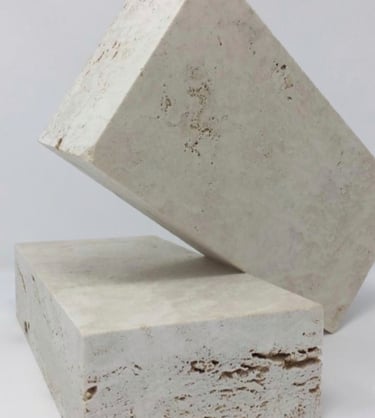
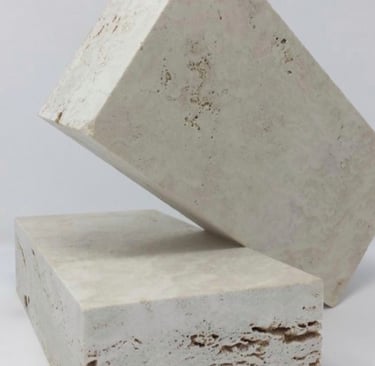
What is Italian Travertine?
Italian travertine is a high-quality natural stone quarried in Italy, known for its distinctive patterns, warm earthy tones, and smooth, elegant finish. It has been used for centuries in famous buildings, monuments, and architectural projects due to its durability, aesthetic appeal, and versatility. Italian travertine comes in various grades and finishes, making it suitable for both indoor and outdoor applications, including flooring, walls, facades, and decorative features.
History and Origins of Italian Travertine
Italian travertine has a long and rich history dating back to ancient times, particularly in regions around Tivoli near Rome. It was widely used by the Romans in iconic structures such as temples, aqueducts, and amphitheaters, thanks to its durability and availability. One of the most famous examples is the Colosseum, which was largely built from travertine stone. Formed over thousands of years from mineral-rich spring waters, Italian travertine became a symbol of strength and timeless beauty. Today, it continues to be quarried in Italy and remains highly valued in architecture and design around the world.
Popular Types and Colors of Italian Travertine
Italian travertine is available in several popular types and a range of natural colors, making it highly versatile in design. The most common varieties include Classico, known for its light beige tones, and Noce, which features deeper brown shades. There is also Silver travertine, characterized by elegant grey and silver hues with subtle veining. In terms of color, Italian travertine typically comes in warm, earthy tones such as ivory, cream, gold, walnut, and grey. These natural variations give each slab a unique appearance, allowing it to suit both classic and modern interiors.
Uses of Italian Travertine in Modern Architecture
Italian travertine is widely used in modern architecture thanks to its timeless appearance and versatility. It is commonly applied in flooring, wall cladding, and facades, adding a natural and elegant touch to both residential and commercial spaces. Architects also use it for bathrooms, kitchens, staircases, and decorative elements, where its warm tones create a sophisticated atmosphere. In outdoor design, Italian travertine is popular for terraces, pathways, and pool surrounds due to its durability and slip-resistant surface. Its ability to blend with both contemporary and traditional styles makes it a preferred material in modern projects.
How Italian Travertine is Quarried and Processed
Italian travertine is quarried from large natural deposits, mainly in regions such as Tivoli near Rome. The process begins with cutting massive blocks of stone directly from the quarry using specialized saws and machinery. These blocks are then transported to processing facilities, where they are cut into slabs or tiles of various sizes. During processing, the stone may be filled to smooth out its natural pores and then finished in different ways, such as polished, honed, or tumbled. The final result is a refined material ready for use in construction and design, while still preserving its natural beauty and unique character.
Advantages of Italian Travertine Over Other Travertine
Italian travertine is often considered superior to other types due to its consistent quality, refined appearance, and long-standing reputation in architecture. It typically features more uniform colors and elegant patterns, making it especially desirable for high-end projects. Thanks to advanced quarrying and processing techniques in Italy, the stone is often finished with greater precision and attention to detail. Italian travertine is also known for its durability and reliability, as it has been used for centuries in historic structures. These qualities make it a preferred choice for those seeking a premium, timeless natural stone.
Maintaining and Caring for Italian Travertine
Maintaining and caring for Italian travertine involves regular cleaning and proper protection to preserve its natural beauty. It’s important to use pH-neutral cleaners designed for natural stone, as harsh or acidic products can damage the surface. Sealing the stone every 1–2 years helps protect it from stains, moisture, and daily wear, especially in high-use areas like kitchens, bathrooms, and outdoor spaces. Spills should be wiped up quickly to prevent absorption, and using mats, coasters, or rugs can reduce the risk of scratches and damage. With consistent care, Italian travertine can maintain its elegant appearance for many years.
Travertine Slabs & Tiles - Natural Stone Quarry
Discover exquisite travertine slabs, tiles, block today from our quarry.
CONTACT
© 2026. All rights reserved.
Phone / whatsapp:
e-mail: