NEED TRAVERTINE? CONTACT US trawertyne@gmail.com

Is travertine an expensive stone?
Travertine is generally considered a mid-range natural stone in terms of cost. It is usually more affordable than marble or granite, but prices can vary depending on quality, finish, and origin.
4/9/20262 min read
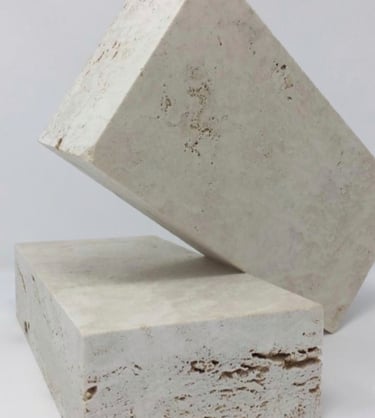
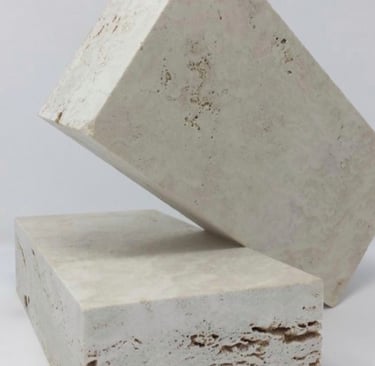
Is travertine an expensive stone?
Travertine is not considered the most expensive natural stone, but it is also not the cheapest option. It typically falls into a moderate price range, making it an attractive choice for those who want a natural, elegant look without the higher cost of materials like marble. The final price depends on factors such as the quality of the stone, its origin (for example, Italian travertine is often more expensive), the type of finish, and installation costs. Overall, travertine offers a good balance between affordability and aesthetic appeal.
What Factors Influence the Cost of Travertine?
Several factors influence the cost of travertine, starting with its quality and grade—higher-grade stone with fewer imperfections is more expensive. The origin also matters, as travertine from Italy is often priced higher due to its reputation and consistency. The type of finish, such as polished, honed, or tumbled, can affect the price as well. Additionally, the size and thickness of the tiles or slabs, as well as transportation and installation costs, play an important role in the final overall expense.
Travertine vs Other Natural Stones: Price Comparison
When comparing prices, travertine generally falls in the mid-range among natural stones. It is typically more affordable than high-end marble or exotic granite but can be slightly more expensive than common limestone or slate. Factors such as quality, finish, and origin—like Italian travertine—can increase the cost. While it may not be the cheapest option, travertine offers a balance of elegance, durability, and versatility, making it a cost-effective choice for both indoor and outdoor projects.
Is Travertine Worth the Investment?
Travertine is often considered worth the investment due to its timeless beauty, versatility, and durability. Its natural patterns and warm tones add elegance to any space, whether used for flooring, walls, countertops, or outdoor areas. While it requires proper sealing and maintenance, travertine can last for decades, making it a long-term value. Compared to more expensive stones like marble, it provides a similar luxurious look at a more accessible price, making it a practical yet stylish choice for both residential and commercial projects.
Cost of Installation and Labor for Travertine
The cost of installation and labor for travertine can vary widely depending on the project’s size, complexity, and location. Installing travertine requires skilled labor to properly cut, lay, and level the stone, especially for intricate patterns or large slabs. Labor costs are typically higher for tumbled or honed finishes, as these require more careful handling. Additionally, preparation work such as subfloor leveling or outdoor base installation can add to the expense. Overall, while travertine itself may be moderately priced, professional installation is an important factor in the total cost.
Does Travertine Require Expensive Maintenance?
Travertine does not require excessively expensive maintenance, but it does need regular care to keep its appearance and durability. The main cost comes from periodic sealing, typically every 1–2 years, to protect the stone from stains and moisture. Routine cleaning with pH-neutral products and prompt spill removal help prevent damage without added expense. Compared to some high-maintenance stones, travertine’s upkeep is relatively straightforward, making it an accessible option for homeowners who want a natural, elegant look without ongoing high costs.
Budget-Friendly Alternatives to Travertine
If travertine is outside your budget, there are several more affordable alternatives that can mimic its look. Porcelain tiles are a popular option, offering similar colors and textures with greater durability and lower maintenance. Ceramic tiles can also replicate travertine patterns at a fraction of the cost. Additionally, some engineered stones or stamped concrete can achieve a natural stone appearance while remaining budget-friendly. These alternatives allow you to enjoy the aesthetic appeal of travertine without the higher price or ongoing maintenance requirements.
Travertine Slabs & Tiles - Natural Stone Quarry
Discover exquisite travertine slabs, tiles, block today from our quarry.
CONTACT
© 2026. All rights reserved.
Phone / whatsapp:
e-mail: