NEED TRAVERTINE? CONTACT US trawertyne@gmail.com

Is travertine a stone or marble?
Travertine is a natural stone, not true marble. Both travertine and marble are forms of limestone, but travertine forms from mineral springs and has a more porous, textured surface, while marble forms under heat and pressure and is denser and smoother.
4/9/20263 min read
Is Travertine a Stone or Marble?
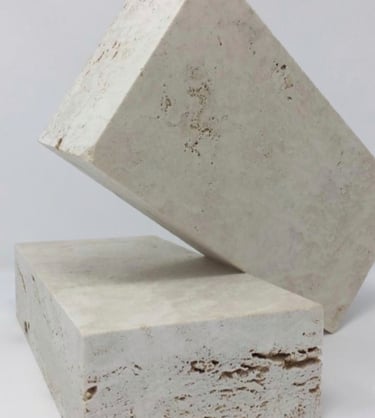
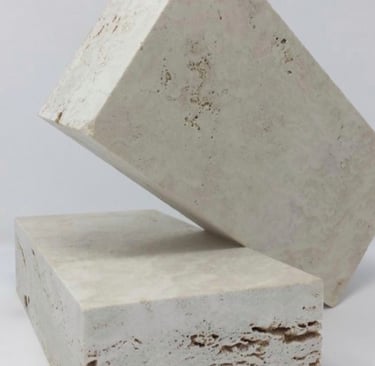
Travertine is a type of natural stone, not true marble, although they are often grouped together because both originate from limestone. Unlike marble, which forms under intense heat and pressure deep within the Earth, travertine is created by mineral-rich water from hot springs or limestone caves depositing calcium carbonate over time. This process gives travertine its characteristic porous texture and natural holes, whereas marble is denser, smoother, and usually more polished. While travertine offers a warm, earthy aesthetic and is easier to cut and shape, marble is prized for its elegant, glossy finish and veining patterns. Choosing between them often depends on the desired look, durability, and maintenance requirements for your space.
Differences Between Travertine and Marble
Travertine and marble are both natural stones, but they have distinct differences in appearance, formation, and use. Travertine is formed from mineral-rich water deposits, resulting in a porous texture with natural holes and earthy tones like beige, cream, and light brown. Marble, on the other hand, forms under high heat and pressure, producing a denser, smoother stone with more pronounced veining and often a polished, glossy finish. Travertine is softer and easier to cut, making it ideal for flooring, patios, and walls, while marble is more durable and often used for luxurious countertops, sculptures, and decorative elements. Overall, travertine offers a rustic, natural look, whereas marble provides a sleek, elegant aesthetic.
Advantages of Travertine Over Marble
Travertine offers several advantages over marble, making it a popular choice for many projects. Its natural porous texture provides better slip resistance, which is ideal for outdoor areas like patios and pool surrounds. Travertine is also softer and easier to cut and shape, allowing for more versatile design options. Additionally, its warm, earthy tones create a timeless, rustic aesthetic that blends well with various architectural styles. While it requires sealing to protect against stains, travertine generally demands less intensive maintenance than marble, making it both practical and visually appealing for long-term use.
Choosing Between Travertine and Marble for Your Project
Choosing between travertine and marble depends on the look, durability, and maintenance you want for your project. Travertine offers a warm, natural, and rustic appearance with a porous texture, making it ideal for outdoor spaces, patios, and areas where slip resistance is important. Marble, in contrast, provides a smooth, polished, and luxurious finish with striking veining, perfect for elegant interiors, countertops, and decorative features. Consider factors like foot traffic, exposure to moisture, cleaning requirements, and budget—travertine is generally more affordable and easier to work with, while marble gives a high-end, refined aesthetic. Ultimately, the choice comes down to balancing style with practical needs.
Cost Comparison: Travertine vs Marble
Travertine is generally more affordable than marble, making it a popular choice for larger projects or budget-conscious renovations. The cost difference comes from the way each stone forms and their processing requirements—marble is denser, often has more intricate veining, and requires more polishing, which increases its price. Travertine’s softer texture makes it easier to cut and shape, reducing labor costs. While marble can add a luxurious, high-end look, travertine provides a timeless, natural aesthetic at a lower cost, making it a practical yet elegant alternative.
Maintenance Tips for Travertine and Marble
Maintaining travertine and marble requires regular care to keep their beauty and durability. Both stones benefit from routine cleaning with a pH-neutral cleaner to avoid damage from acidic or abrasive products. Travertine, being more porous, should be sealed every 1–2 years to prevent stains and water penetration, especially in kitchens, bathrooms, and outdoor areas. Marble also benefits from sealing, particularly in high-traffic or spill-prone spaces, to protect its polished surface. Avoid dragging heavy furniture across either stone to prevent scratches, and promptly wipe up spills to maintain their appearance. With consistent care, both travertine and marble can remain stunning for decades.
Common Misconceptions About Travertine and Marble
A common misconception is that travertine is just a type of marble, but in reality, they are distinct stones with different formation processes and properties. Some people also assume travertine is less durable than marble, yet when properly sealed and maintained, it can last just as long in many applications. Another myth is that travertine is only suitable for rustic designs; in fact, it can complement both modern and classic styles. Similarly, marble is often thought to be high-maintenance, but with proper care, it remains a practical and elegant choice for a variety of spaces.
Travertine Slabs & Tiles - Natural Stone Quarry
Discover exquisite travertine slabs, tiles, block today from our quarry.
CONTACT
© 2026. All rights reserved.
Phone / whatsapp:
e-mail: